

Cosmetic Teeth Whitening – Phillips Zoom & Take Home Kits
Smiling is a universal language that helps you overcome barriers and build bridges. It’s a gesture that conveys warmth, approachability, and, most importantly, confidence. When you smile, you’re revealing your teeth and displaying a part of your inner self.
A recent survey also revealed that people who love smiling find it easier to connect with others. It’s true. Your smile can be your greatest asset, making social interactions smoother and leaving lasting impressions.
Despite knowing everything, are you the one who does not feel confident enough to smile? Don’t worry! There is a way to enhance your smile and show off the best version of yourself. And it’s called teeth whitening.
The Quest for Pearly Whites
Teeth whitening is not just a cosmetic procedure; it’s a confidence booster and the only secret behind countless radiant smiles. But with abundant products and techniques available, how do you know which is right for you?
Some promise a dazzling transformation, while others may do little to brighten your smile.
In this comprehensive guide, we’ll delve deep into teeth whitening and explore the different methods available so you can make an informed decision.
But first, let’s get a clear idea of the factors that might impact your pearly whites!
What can trigger the discolouration of your teeth?
To bring the shine back to your teeth, think carefully about using an over-the-counter solution. Our safe, teeth-sensitive solutions let you naturally lift deep-set stains from the pores of your tooth enamel, leaving you with a whiter, brighter smile. Dr Tam will help you choose from either our in-chair whitening or professional take-home teeth whitening kits, depending on which method might work best for you and your teeth.
External factors that might discolour your teeth
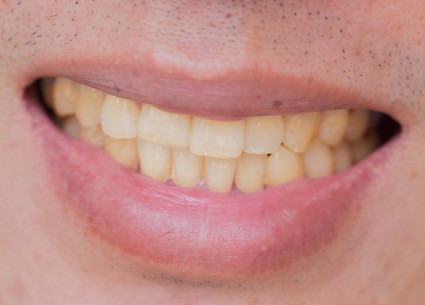
Alterations to the exterior surface of enamel can result in a darker appearance of the teeth. So, it would help if you had a clear idea of the changes that could prevent persistent dark staining over time. Here are a few external factors that you must know:
- Food and Beverages
Daily consumption of beverages can leave your teeth with a lasting impact. The staining agents in your coffee, tea, red wine, and certain spices can leave dark stains on your teeth over time.
- Tobacco Use
It has been observed that prolonged smoking or chewing tobacco can result in yellow or brown stains on a person’s teeth.
- Aging
As you age, the enamel on your teeth naturally wears down, revealing the yellowish dentin underneath. This dentin will slowly stripe away your white pearl and leave you with a darker colour substitute.
- Poor Oral Hygiene
Neglecting regular oral hygiene practices such as brushing your teeth, flossing, and others can also lead to plaque and tartar buildup, further causing teeth to appear discoloured.
- Medications
Certain medications can cause tooth discolouration as a side effect.
If you have been dealing with any of the abovementioned factors, teeth whitening can be the right option. However, if you have been dealing with teeth discolouration due to internal factors, chances are high that teeth whitening might not suit you.
Internal Factors that might cause tooth discolouration
Teeth whitening might not work if your teeth have started darkening or yellowing due to changes within the tooth structure. While there is no way you can prevent these changes, it is crucial to understand them so you can discuss these concerns with your dentist for the best remedy.
- Natural Ageing
Regrettably, teeth naturally acquire a more yellowish hue with time. This natural ageing process involves the thickening of the dental core dentin. Dentin thickens in response to the normal wear and tear associated with chewing over several decades, resulting in a yellowish hue.
- Traumatic Impact on Tooth’s Internal Structures
Injuries sustained by a tooth can also change the inner components of a tooth. After severe trauma, stress, or pain, the nerve and blood vessels within your tooth may respond to the trauma. One possibility is for them to have an entire tooth to appear dark grey or deep yellow.
What are the different types of teeth whitening processes?
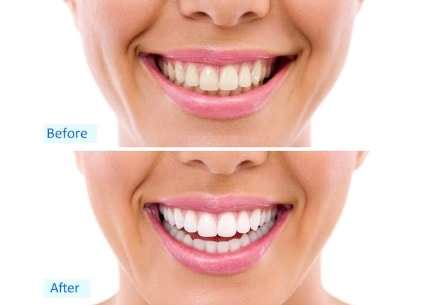
Many teeth whitening options are available right now, making it difficult to choose the best option. Before making any decision, it is essential to understand how teeth whitening works and the different methods available to you.
- Whitening Toothpaste:
Whitening toothpaste contains gentle abrasive particles that act like fine sandpaper, delicately scrubbing away the daily accumulation of surface stains. While they don’t alter the colour of your underlying teeth, these toothpastes can create the illusion of whiter teeth by removing dark particles on the exterior.
- Over-the-Counter Whitening Strips:
Another popular over-the-counter whitening product includes whitening strips with the right active ingredients to produce noticeable changes. These whitening strips consistently deliver impressive results since the embedded whitening gel adheres easily to your teeth for the recommended duration.
- Professional Take-Home Whitening kit:
For the best teeth whitening outcomes, it’s advisable to consult with your dentist. Dentists often consider professional take-home whitening trays with custom fittings. These trays are crafted to match your teeth’ shape, ensuring you receive the best results. These custom trays are durable and can last for many years, allowing you to purchase whitening gel as needed for maintenance.
Professional take-home whitening trays are considered one of the best options because the whitening process is easy and ideal for individuals with tooth sensitivity.
- In-Office Professional Teeth Whitening:
Lastly, one of the most effective teeth whitening treatments is a professional in-office treatment that yields the best whitening results. In-office teeth whitening systems employ a high-strength whitening gel that can produce visible colour changes in as little as an hour. This option is perfect for those with special events or lacking the time for home treatments to take effect.
How is the Professional Teeth Whitening Process performed?
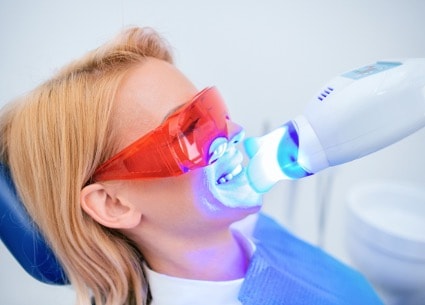
The professional teeth whitening process usually has the following steps:
Step 1:
Dental Examination: Before starting any whitening procedure, it is essential to undergo a thorough dental examination to ensure that your teeth and gums are healthy enough for the treatment. If your dentist finds any underlying issue during the examination, that issue will be first eradicated from the root before starting the teeth whitening procedure.
Step 2:
Finding the right shade: Your dentist will use a tooth shade chart to assess your colour. Subsequently, you’ll engage in a conversation about the potential improvement in shade following the whitening procedure.
Step 3:
Protecting the adjacent soft tissues: To ensure the whitening agent avoids contact with delicate oral tissues like gums, cheeks, or tongue, your dentist will use specialised tools so your mouth remains open while still protecting the gum line.
Step 4:
Teeth whitening process: The whitening agent, mostly a highly concentrated hydrogen peroxide gel, is carefully applied to your teeth and left for approximately 15 to 30 minutes. As the next step, a high-intensity light like LED or UV ray is applied to the teeth for the best result.
Your dentist might reapply the whitening agent as needed. Once the whitening process ends, your dentist will thoroughly rinse your mouth and might use fluoride to help alleviate potential sensitivity.
What to expect after a professional teeth whitening procedure?
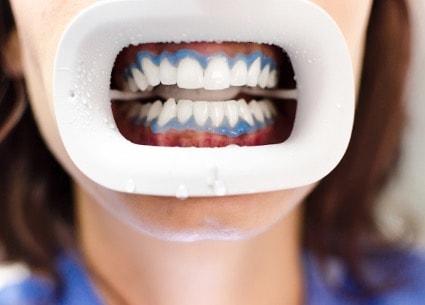
Once the procedure is complete, your dentist will discuss the desired tooth shade and the lifestyle adjustments you must adopt to maintain the desired result. These instructions include abstaining from coloured food items, coffee, and even red wine. Immediately after whitening, your teeth are more susceptible to liquid and food stains, so you must strictly adhere to the instructions provided by your dentist.
After a week, if your teeth haven’t reached your desired shade, do not hesitate to discuss your concern with your dentist.
FAQs:
Yes, professional teeth whitening works very well by removing dental stains and discolouration from your teeth so that you can have a brighter smile. However, to accomplish the most desired results, you must choose your dental clinic very carefully and follow the instructions provided by your dental professional.
Professional teeth whitening cost can vary depending on the severity of your oral condition and the degree of whitening you need. The price might also vary depending on the dental professional’s fees and your location. Nevertheless, if you are on a budget, you may opt for take-home kits or other OTC products only after discussing them with an experienced dental professional.
The longevity of any teeth whitening results varies from person to person. With proper oral hygiene and regular touch-ups, the effects can last from several months to even a few years.
You can see the result instantly by opting for professional teeth whitening. In contrast, take-home teeth whitening kits usually yield gradual results and will take a few days to several weeks to attain the desired outcome.
A professional in-office teeth whitening procedure generally has no side effects. In some cases, immediately after undergoing the process, you might experience minor tooth sensitivity or gum irritation, but don’t worry; these are temporary and will subside within a couple of days.
You may experience tooth sensitivity during or after the whitening process, but this is usually a rare case and can be managed with sensitivity-based toothpaste or gels.
Why SBD (Smile By Design)?
When it comes to teeth whitening, choosing the right dental professional is essential. If you are yet to learn about one of the best and most reliable dental clinics in North Sydney, Smile by Design can be your destination to achieve a stunning smile. Our experienced team of dental experts offers both professional teeth whitening and take-home whitening kits tailored to suit your specific needs.
With the cutting-edge technology of Philip Zoom teeth whitening and a commitment to your dental health, we ensure a safe teeth whitening journey. Please book your appointment today with our expert and regain the confidence to show your brightest smile to the world.
Visit Smile by Design today and embark on a journey toward a dazzling, picture-perfect smile!